

The Woman He Fell In Love With Is Still There
There is a very uncomfortable conversation that more couples need to have.
Not every affair begins because somebody “stopped loving” their partner.
Sometimes it begins because one partner stopped understanding them.
Or worse still, stopped trying.
There seems to be a recurring pattern happening quietly behind closed doors in long-term relationships. Particularly during perimenopause. A woman reaches that stage where life suddenly becomes unbearably heavy. Not dramatic. Not lazy. Not “frigid”. Heavy.
She is juggling ageing parents, teenagers, finances, work stress, invisible mental load, physical exhaustion, changing hormones, sleep deprivation and the terrifying realisation that she has spent years making everybody else emotionally comfortable.
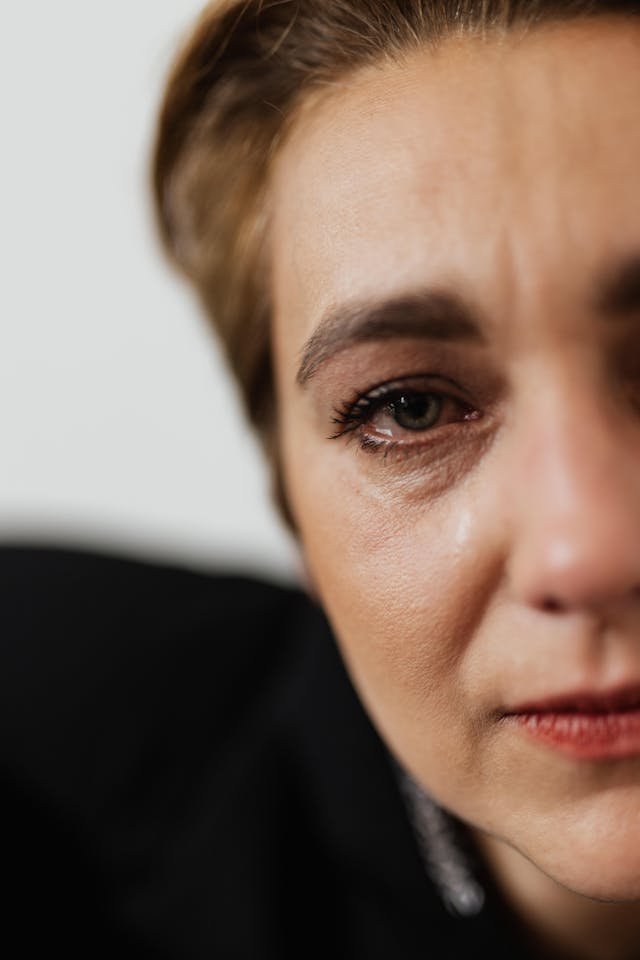
Meanwhile, the man beside her often interprets her exhaustion as rejection.
Not struggle.
Not burnout.
Not survival mode.
Rejection.
And instead of leaning in with curiosity, compassion and maturity, some men begin acting like emotionally neglected toddlers whose favourite toy has suddenly stopped working.
That sounds brutal.
Because it is.
She Is Not Your Entertainment System
One of the hardest truths many women arrive at in midlife is this:
Some men genuinely built their emotional stability around being centred by their partner.
For years, she organised birthdays, remembered appointments, soothed arguments, initiated affection, listened endlessly, encouraged him, emotionally managed the household and carried the relationship socially.
Then perimenopause arrives and suddenly she no longer has the same capacity.
Not because she does not care.
Because her body and brain are demanding attention for once.
The problem is many long-term relationships were accidentally built around her self-sacrifice.
So when she finally begins redirecting energy toward herself, some men interpret this as abandonment.
The tragic irony?
This is often the exact moment she needs partnership the most.
Instead, she gets sulking.
Passive aggression.
Pressure for sex.
Complaints she is “always tired”.
Complaints she has “changed”.
Of course she has changed.
Everybody changes after ten or twenty years.
The bizarre part is expecting somebody not to.
Midlife Does Not Mean She Has Failed You
There is also something deeply unfair about the way society frames female ageing versus male ageing.
A man becomes moodier, withdrawn or emotionally reactive in midlife and people often search for explanations.
Stress.
Pressure.
Low testosterone.
Burnout.
A woman becomes overwhelmed, irritable, exhausted or disconnected and suddenly she is accused of becoming difficult.
Cold.
Nagging.
Uninterested.
The compassion gap is glaring.
This article is not about demonising men. Good men exist in abundance. Supportive husbands exist. Emotionally intelligent partners absolutely exist.
But there is still a cultural problem where many women are expected to endlessly absorb emotional labour while men are rarely taught how to emotionally adapt when their partner evolves.
And evolution is exactly what midlife is.
It is not decline.
It is transformation.
The Affair Fantasy Often Ignores Reality
Now we arrive at the raw part nobody enjoys discussing.
Some men react to this phase by chasing external validation.
Suddenly the younger colleague laughs at his jokes.
A woman online makes him feel admired again.
Someone new sees the polished version of him rather than the exhausted reality of shared bills, leaking taps and twenty years of unresolved communication.
The “grass is greener” fantasy begins.
But fantasies are easy when somebody else is still carrying your real life behind the scenes.
Affairs often thrive inside emotional convenience.
The affair partner sees the edited trailer.
The wife lived through the entire documentary.
And here is the uncomfortable truth many people avoid saying aloud:
Cheating during your partner’s most physically and emotionally vulnerable stage is not a symptom of freedom.
It is often a symptom of emotional immaturity.
Because long-term love eventually demands adaptation.
Not endless consumption.
Nobody Stays Twenty-Five Forever
There is something strangely childish about expecting permanent emotional and sexual consistency across decades of life.
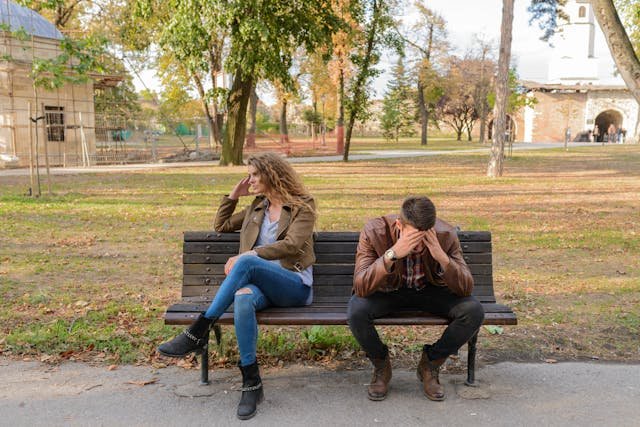
People age.
Bodies change.
Stress changes people.
Menopause changes people.
Parenthood changes people.
Grief changes people.
Financial pressure changes people.
The relationship itself changes people.
Yet many couples never prepare for this reality emotionally.
They prepare for weddings.
Mortgages.
Babies.
Retirement.
But not transformation.
So when transformation arrives, panic follows.
One partner becomes terrified they are no longer desired.
The other becomes terrified they are disappearing entirely under the weight of everyone’s needs.
And instead of speaking honestly, many couples drift into resentment.
Long-Term Love Was Never Supposed To Stay Identical
One of the greatest lies modern culture sold us is that successful relationships should always feel exciting.
Stable love rarely looks exciting from the outside.
Sometimes it looks repetitive.
Predictable.
Quiet.
Exhausting.
Domestic.
But there is something extraordinary about two humans witnessing each other across decades of change.
That matters.
A relationship surviving over ten years is not meaningless just because the butterflies evolved into something calmer.
History matters.
Loyalty matters.
Shared survival matters.
The problem is many people only appreciate stability once they destroy it.
Women Also Need Accountability Too
Now here comes the balance that must be said clearly.
Women are not automatically innocent simply because they are struggling.
Some women absolutely stop communicating.
Some become emotionally unavailable for years.
Some weaponise contempt.
Some stop seeing their partner as a human being entirely.
Long-term relationships collapse from both sides.
But there is still a major difference between struggling inside a life transition and choosing betrayal as your coping mechanism.
Feeling lonely is human.
Cheating is still a decision.
And using perimenopause as the justification for adultery often reveals more about the cheater than the marriage itself.
What Many Women Secretly Fear
A heartbreaking number of women quietly enter perimenopause terrified their worth is expiring.
Not because they believe it themselves initially.
Because society trains them to.
Youth gets celebrated.

Sex appeal gets celebrated.
Caregiving gets expected.
Meanwhile ageing women often become invisible precisely when they are carrying the heaviest emotional burden of their lives.
So imagine what it feels like when the person who promised lifelong partnership suddenly starts acting resentful because she no longer exists purely to emotionally regulate him.
That cuts deeply.
Not because she expects perfection.
Because she expected loyalty during evolution.
Men Need To Learn Emotional Endurance Too
Women have spent generations adapting to men’s changes.
Career stress.
Emotional shutdown.
Sexual fluctuations.
Identity crises.
Financial pressure.
Midlife depression.
Women are often expected to absorb these phases with patience.
So why are women’s transitions still treated like inconveniences rather than shared life events?
Partnership cannot only function when she is easy.
Real love gets tested when life becomes inconvenient.
And perhaps that is the central conversation here.
Not sex.
Not ageing.
Not hormones.
Emotional endurance.
Can you still honour somebody when they are no longer effortlessly serving your emotional needs?
Can you still value the person who spent decades valuing you?
Because eventually every long-term relationship reaches a chapter where romance becomes less about excitement and more about emotional character.
That is where the real relationship begins.
The Real Question Nobody Wants To Ask
Perhaps the most confronting question is this:
If somebody stands beside you loyally for twenty years, raises children with you, survives hardship with you, supports your identity and helps build your life, why is their temporary exhaustion enough to make you forget all of that?
That is not a question only for men either.
It is for everybody.
Because midlife eventually arrives for us all.
And when it does, we will all discover whether our relationships were built on love.
Or merely convenience.
What do you think damages long-term relationships more: changing hormones, or the inability to emotionally adapt to change together?
Another great read Why Does Sex Suddenly Feel Irritating Instead of Exciting?