
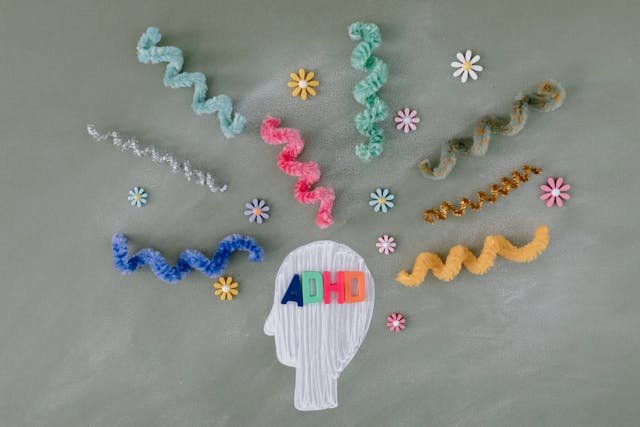
More people than ever are embracing the label ADHD.
They say it out loud, own it, even joke about it.
But autism? That’s a different story.
Why does one feel acceptable, while the other still sits quietly in the corner like an awkward guest no one wants to acknowledge?
ADHD has somehow become relatable.
It’s framed as forgetfulness, distraction, a busy mind.
Traits most people can recognise in themselves, even if only slightly.
Autism, on the other hand, still gets boxed in.
We’ve been taught to see it as a spectrum, yet strangely, many only recognise the far end of that spectrum.
The version that comes with visible support needs.
The version that feels obvious.
Then there was Asperger’s.
A term that, for better or worse, softened the label.
It made autism feel more “acceptable”, more functional, easier for people to digest.
But remove that label, and suddenly things feel less comfortable again.
So where does that leave the everyday person?
The one who looks “normal”.
Acts “normal”.
But quietly struggles with sensory overload, social confusion, rigid thinking, or burnout.
Those people often get dismissed.
Told they’re overthinking.
Told they’re jumping on a trend.
Told they don’t “look autistic”.
Even when someone clearly fits the criteria, there’s still scepticism.
A raised eyebrow.
A subtle scoff.
And that’s the strange part.
We accept conditions like asthma without question.
Mild or severe, it doesn’t matter.
No one demands proof.
No one questions whether someone is “asthmatic enough”.
It’s understood, respected, and then people move on.
So why not autism?
There’s no risk of catching it.
No immediate threat attached to it.
Yet somehow, it still carries discomfort.
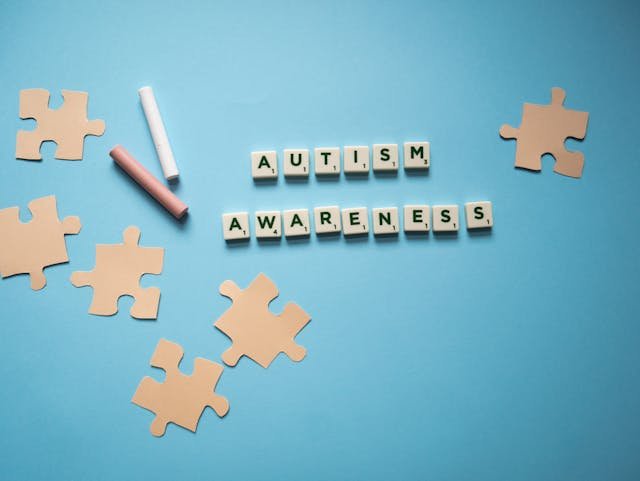
Maybe it’s because autism challenges social norms more directly.
It doesn’t just affect the individual, it affects how others interact with them.
Maybe it’s because people still don’t fully understand what it looks like beyond stereotypes.
Or maybe it’s simpler than that.
We’ve normalised ADHD because enough people saw themselves in it.
We haven’t done the same with autism yet.
And until we do, people will keep questioning it, minimising it, or quietly avoiding it altogether.
So here’s the real question.
If autism truly is a spectrum, why do we only seem comfortable acknowledging one end of it?
If you enjoyed this article, take a look at Real Talk: ADHD and Taking Responsibility