
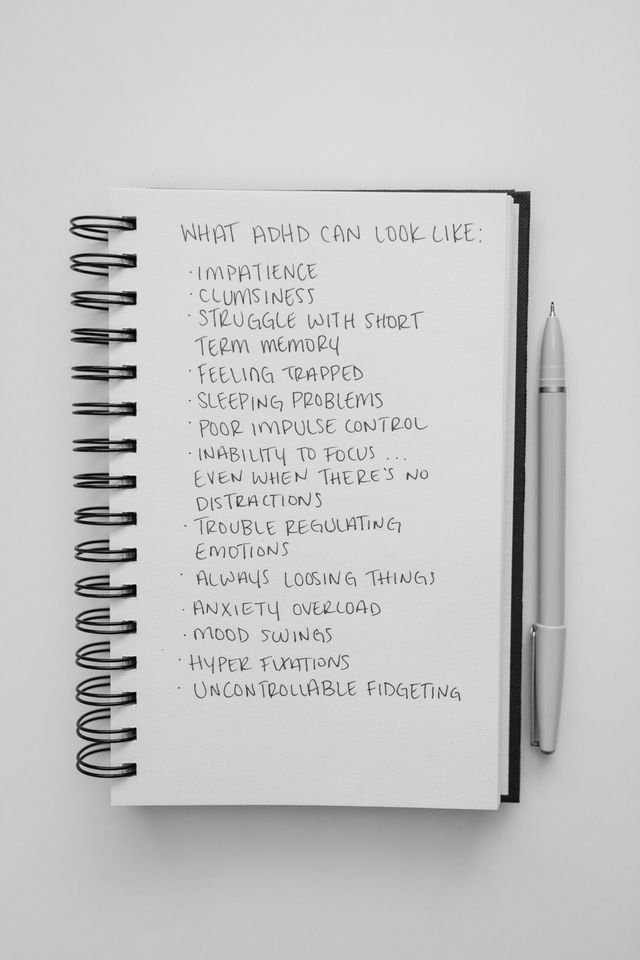
More people than ever are embracing the label ADHD. They say it out loud, own it and even joke about it. Social media is full of people laughing about forgotten appointments, abandoned hobbies and walking into a room only to forget why they went there in the first place.
But autism? That’s a completely different conversation.
For all the awareness campaigns and growing understanding, autism still seems to make people uncomfortable. It sits quietly in the corner like an awkward guest that nobody quite knows how to talk to.
Perhaps that’s because ADHD has become relatable. It’s often presented as forgetfulness, distraction, procrastination or having a brain that never seems to switch off. Almost everyone has experienced moments like that, so it’s easy for people to see a little bit of themselves in it.
Autism doesn’t receive the same treatment.
Although we’re constantly reminded that autism is a spectrum, many people still only recognise one very specific part of that spectrum. They picture someone with obvious support needs, visible social difficulties or behaviours that fit long-standing stereotypes. If someone doesn’t match that image, people often struggle to accept that they could still be autistic.
Then there was Asperger’s.
Whether people agree with the term or not, it undeniably softened the label for many. It created an image of someone who was highly intelligent, a little socially awkward and perhaps obsessed with their favourite subject, but otherwise functioning perfectly well. For some people it acted almost like a stepping stone into understanding autism.
Once that label disappeared, however, many seemed to lose their reference point. Suddenly, everyone simply became autistic, and for some reason that felt harder for society to accept.
So where does that leave the people who quietly blend into everyday life?
The ones who hold down jobs, have families, smile through conversations and appear perfectly ordinary from the outside. Yet behind closed doors they’re battling sensory overload, rehearsing every conversation in their heads, feeling permanently exhausted from masking or struggling with rigid thinking that nobody else ever notices.
Instead of understanding, they’re often met with doubt.
They’re told they’re overthinking things. That they’re spending too much time online. That autism is becoming fashionable. Or perhaps the most frustrating comment of all, “But you don’t look autistic.”
It’s remarkable how often people believe they can recognise a neurological condition simply by looking at someone’s face.
What makes this even stranger is how differently we treat other lifelong conditions.
Take asthma, for example. Nobody questions whether someone is asthmatic enough. Some people need an inhaler every day, while others only need one occasionally. The severity varies enormously, yet nobody argues that mild asthma somehow isn’t real asthma.
People simply accept that everyone’s experience is different.
Autism deserves exactly the same understanding.
Nobody catches autism. Nobody chooses it. Nobody benefits from pretending to have it. Yet it still attracts scepticism in a way many other conditions simply don’t.
Perhaps it’s because autism affects social interaction more directly than ADHD does. It challenges unwritten social rules that most people never even realise exist. Or perhaps decades of inaccurate stereotypes have made it difficult for people to recognise what autism actually looks like in adults who have spent years learning how to hide it.
Then again, maybe the explanation is even simpler.
We’ve normalised ADHD because enough people recognised parts of themselves in it. They saw friends, colleagues, family members and eventually themselves reflected in the conversation.
Autism hasn’t quite reached that point yet.
Until it does, many autistic adults will continue questioning themselves long before anyone else questions them. They’ll keep masking, doubting their own experiences and wondering whether they’re somehow “autistic enough” to deserve support.
Which brings us back to the question that never seems to go away.
If autism really is a spectrum, why are so many people still only comfortable acknowledging one end of it?