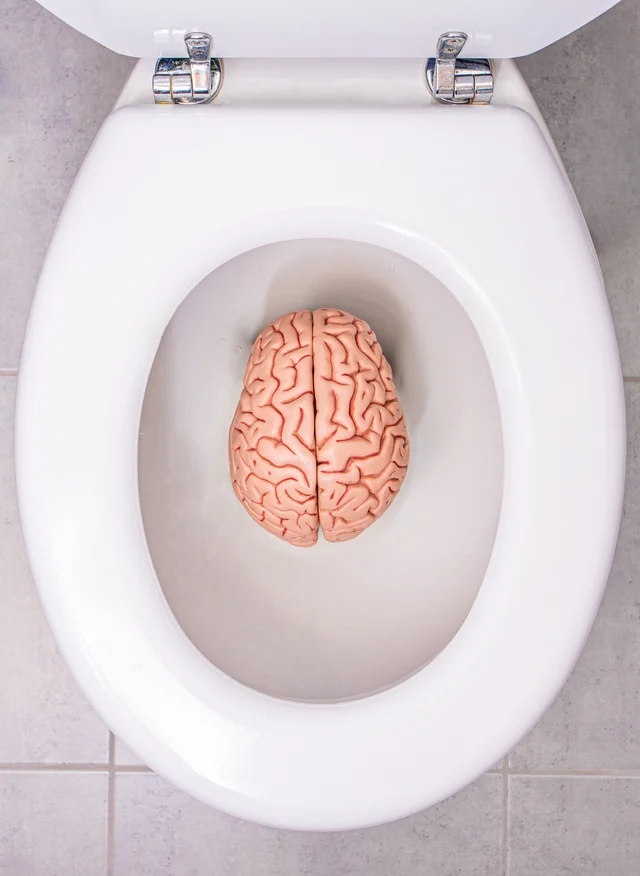

If you’ve been following my recent explorations into life with ADHD, you’ll know I’m endlessly fascinated by the strange crossroads where hormones and neurochemistry collide. Perimenopause, however, doesn’t politely arrive with a leaflet and a herbal tea. It storms in like an exhausted woman carrying six shopping bags, forgetting where she parked the car, while simultaneously crying because a yoghurt advert felt emotionally manipulative.
What struck me most wasn’t simply the hot flushes or the forgetfulness. It was how many symptoms felt oddly familiar. Sensory overload. Brain fog. Restlessness. Emotional intensity. Menopause didn’t create these things in me. It turned the volume up until my nervous system resembled a radio desperately trying to tune itself between stations.
And this is where things become particularly interesting for women with ADHD, autistic traits, or other forms of neurodivergence. Menopause is often spoken about as though it only affects hormones, yet hormones influence the brain, the nervous system, pain perception, sleep, focus, temperature regulation, sensory processing, digestion, and mood. In other words, the entire operating system.
For many neurodivergent women, menopause doesn’t feel like a phase. It feels like your brain software updated overnight without asking permission.
What fascinates me most are the symptoms nobody warns you about. The strange, obscure, almost theatrical ones that make you sit in silence thinking, “Surely this cannot possibly be related to menopause.”
Unfortunately, it often is.
1. The Smell Spectrum: When Estrogen Toys with Sensory Settings
One of menopause’s more bizarre tricks involves smell distortion, known medically as dysosmia. One minute your favourite candle smells comforting. The next, it smells like burnt plastic mixed with disappointment.
Scientists have discovered estrogen receptors in areas of the brain linked to smell processing. So when hormones fluctuate wildly, scents can suddenly become distorted, overpowering, or emotionally offensive for absolutely no reason.

For women with ADHD or autistic traits, this can feel brutal. Many of us already experience sensory sensitivity. Menopause simply strolls in and removes the final remaining filter. Suddenly the neighbour’s cooking smells like chemical warfare and someone’s perfume in Tesco feels like a direct attack on your nervous system.
It sounds amusing until you realise how exhausting constant sensory overload actually becomes.
2. Burning Mouth Syndrome: The Symptom That Sounds Fake
Burning Mouth Syndrome genuinely sounds like something invented by a bored Victorian doctor, yet it’s very real. It causes tingling, burning, dryness, or scalding sensations in the mouth despite there being no visible cause.
Researchers believe hormonal decline may affect nerve endings and pain perception. For women already sensitive to textures, tastes, or temperature changes, it can feel incredibly intrusive.
One day toothpaste is minty. The next it feels like your tongue has entered a legal dispute with acid.
This is what makes menopause so psychologically draining. Symptoms appear random and disconnected, yet they all trace back to the same hormonal chaos affecting the nervous system.
3. Teeth, Gums, and Hormonal Sabotage
Nobody tells you menopause can quietly turn against your teeth.
Lower estrogen can reduce saliva production, leading to dry mouth, gum sensitivity, inflammation, and increased tooth decay. Saliva matters far more than people realise. It protects teeth, balances bacteria, and keeps the mouth healthy.

Now combine that with ADHD forgetfulness, executive dysfunction, or dopamine-seeking procrastination around self-care routines, and suddenly dental health becomes another invisible battle women quietly blame themselves for.
It’s difficult not to internalise these struggles as personal failings when nobody explains the hormonal connection.
4. Hearing Changes and Tinnitus: When Silence Disappears
Menopause can also affect hearing. Some women notice muffled sounds, increased sound sensitivity, or tinnitus, the infamous ringing, buzzing, hissing, or electrical noise that appears from nowhere and refuses to leave politely.
For neurodivergent women, this can feel especially cruel. Many ADHD and autistic people already struggle filtering background noise. Menopause can worsen that sensory confusion dramatically.
The dishwasher suddenly sounds aggressive. Traffic becomes unbearable. Someone chewing crisps nearby feels like a hostage negotiation.
Tinnitus itself can become mentally exhausting because the ADHD brain naturally struggles to ignore repetitive stimuli. Your nervous system keeps noticing it, analysing it, then becoming irritated that it’s still there.
It becomes less about the sound itself and more about the brain’s inability to stop monitoring it.
5. Brain Zaps: The Tiny Electrical Ambushes
Now we arrive at one of the strangest symptoms of all: brain zaps.
If you’ve never experienced one, imagine a sudden electric jolt sensation in your head. Some describe it as a quick buzz, a flicker, or a strange internal “snap” inside the brain. Others feel brief dizziness or disorientation alongside it.
Brain zaps are more commonly associated with antidepressant withdrawal, yet many menopausal women report experiencing them during hormonal fluctuations too.
And honestly, if you already live with ADHD, where your brain frequently feels like twelve tabs are open simultaneously, brain zaps can feel deeply unsettling. Your nervous system already struggles with regulation. Add hormonal instability and suddenly your internal wiring starts behaving like suspicious Christmas lights.
The frightening part is how rarely these symptoms are discussed openly.
6. Formication: When Your Skin Pretends There Are Insects
Another symptom that sounds entirely fictional is formication, the sensation of insects crawling across the skin despite nothing being there.
Hormonal changes can disrupt nerve signalling and sensory interpretation, leading the brain to misread harmless bodily sensations as movement or irritation.
For someone already prone to sensory hyperawareness, this can become extremely distressing. Your brain notices everything already. Menopause simply adds false alarms into the system.
The result is an endless cycle of scratching, checking, overthinking, and wondering whether you’re slowly becoming haunted.
7. Joint and Muscle Pain: The Invisible Weight
This symptom deserves far more attention than it receives.
Many women entering perimenopause suddenly develop aching joints, stiff muscles, neck pain, shoulder tension, or strange inflammatory flare-ups. Estrogen plays a role in reducing inflammation and supporting joint health. When levels drop, the body often feels physically heavier and slower.
What makes this especially difficult for ADHD women is the emotional impact. ADHD brains already battle motivation issues and inconsistent energy. Add chronic discomfort and even simple daily tasks can begin feeling strangely overwhelming.
You start questioning yourself.
Am I lazy?
Am I tired?
Am I burnt out?
Or does my body genuinely hurt?
Quite often, the answer is all four simultaneously.
8. Dry Eyes: Sandpaper Vision Nobody Mentions
Dry eyes are another surprisingly common menopause symptom that receives almost no mainstream attention.
Hormonal shifts affect tear production, leaving eyes irritated, gritty, watery, blurry, or painfully dry. Some women suddenly become sensitive to screens, bright lights, or contact lenses.
For neurodivergent women already vulnerable to sensory overload, this can quietly chip away at concentration and emotional regulation. When your eyes constantly feel uncomfortable, your nervous system never truly relaxes.
It’s remarkable how many menopause symptoms aren’t dramatic enough to seem medically urgent, yet relentless enough to erode your daily quality of life.
9. Cold Flashes: The Lesser-Known Cousin of Hot Flushes
Everyone talks about hot flushes, yet fewer people mention cold flashes.
One minute you’re overheating like a malfunctioning radiator. The next, you’re wrapped in three blankets convinced your soul has temporarily left your body.
Cold flashes happen because menopause disrupts the body’s temperature regulation system. Blood vessels constrict rapidly after a flush, creating sudden chills or shivering episodes.
For ADHD women, whose nervous systems often already struggle with internal regulation, this constant physical unpredictability becomes mentally draining too. Your body stops feeling reliable. You no longer trust your own temperature, energy levels, focus, or emotional reactions.
That uncertainty alone can become exhausting.
10. Incontinence: The Symptom Nobody Wants to Admit
And finally, we need to discuss the symptom women whisper about quietly, if at all.
Incontinence.
Hormonal decline can weaken pelvic floor muscles and affect bladder control. This can lead to urgency, leaking, or sudden “I need a toilet immediately or society will collapse” moments.
What strikes me is how much shame surrounds this symptom despite how common it is. Women are expected to laugh off these experiences privately while carrying on as though nothing changed.

Yet when you already live with ADHD, where organisation, planning, and timing can already feel slippery, bladder unpredictability adds another layer of stress and hypervigilance.
Hormonal shifts can also affect intimate tissue health in ways many women never expect. Some women report increased irritation, dryness, or even Bartholin cysts during perimenopause, likely linked to changes in lubrication and gland function. Like many menopause symptoms, it’s rarely discussed openly until you’re searching symptoms online at midnight wondering why your own body has suddenly become experimental.
Again, menopause doesn’t simply affect the body. It affects confidence, freedom, spontaneity, and identity.
When Menopause and ADHD Collide
This is the part I feel matters most.
Too many women spend years believing they are failing psychologically when in reality their neurological and hormonal systems are colliding simultaneously.
Menopause can mimic ADHD in some people. Brain fog, emotional dysregulation, forgetfulness, overwhelm, and sleep disruption overlap heavily. However, for women who already have ADHD, menopause often acts less like a new condition and more like a magnifying glass.
The coping systems you spent years building suddenly stop working properly.
Your emotional resilience shortens.
Your sensory tolerance shrinks.
Your recovery time lengthens.
And because many of these symptoms appear unusual or fragmented, women are frequently dismissed, misdiagnosed, or left believing they are somehow becoming unstable.
Personally, I think that’s what makes this stage of life so psychologically brutal. Not simply the symptoms themselves, but the confusion surrounding them. Nobody hands women a manual explaining that hormones influence neurotransmitters, sensory processing, inflammation, memory, temperature regulation, hearing, pain perception, bladder function, and emotional stability all at once.
Instead, many women quietly sit there wondering why they suddenly no longer feel like themselves.
The Takeaway
Menopause is not merely a reproductive milestone. It is a neurological transition.
And for neurodivergent women, particularly those with ADHD or autistic traits, it can feel like living inside a nervous system that suddenly changed operating systems without warning.
The strange smells, the tinnitus, the brain zaps, the cold flashes, the crawling skin sensations, the aching joints, the dry eyes, the sensory overwhelm, they are not random personal failures. They are signs that hormones and brain chemistry are deeply intertwined.
Understanding that changes everything.
Because once you realise your nervous system is reacting to a biological shift rather than a personal weakness, the experience becomes less frightening and far less shameful.
You stop viewing yourself as broken.
You start recognising yourself as overloaded.
And oddly enough, that distinction can be the very thing that helps women finally show themselves some compassion.
Have you experienced any menopause symptoms that felt so bizarre you genuinely questioned whether they could possibly be hormonal?