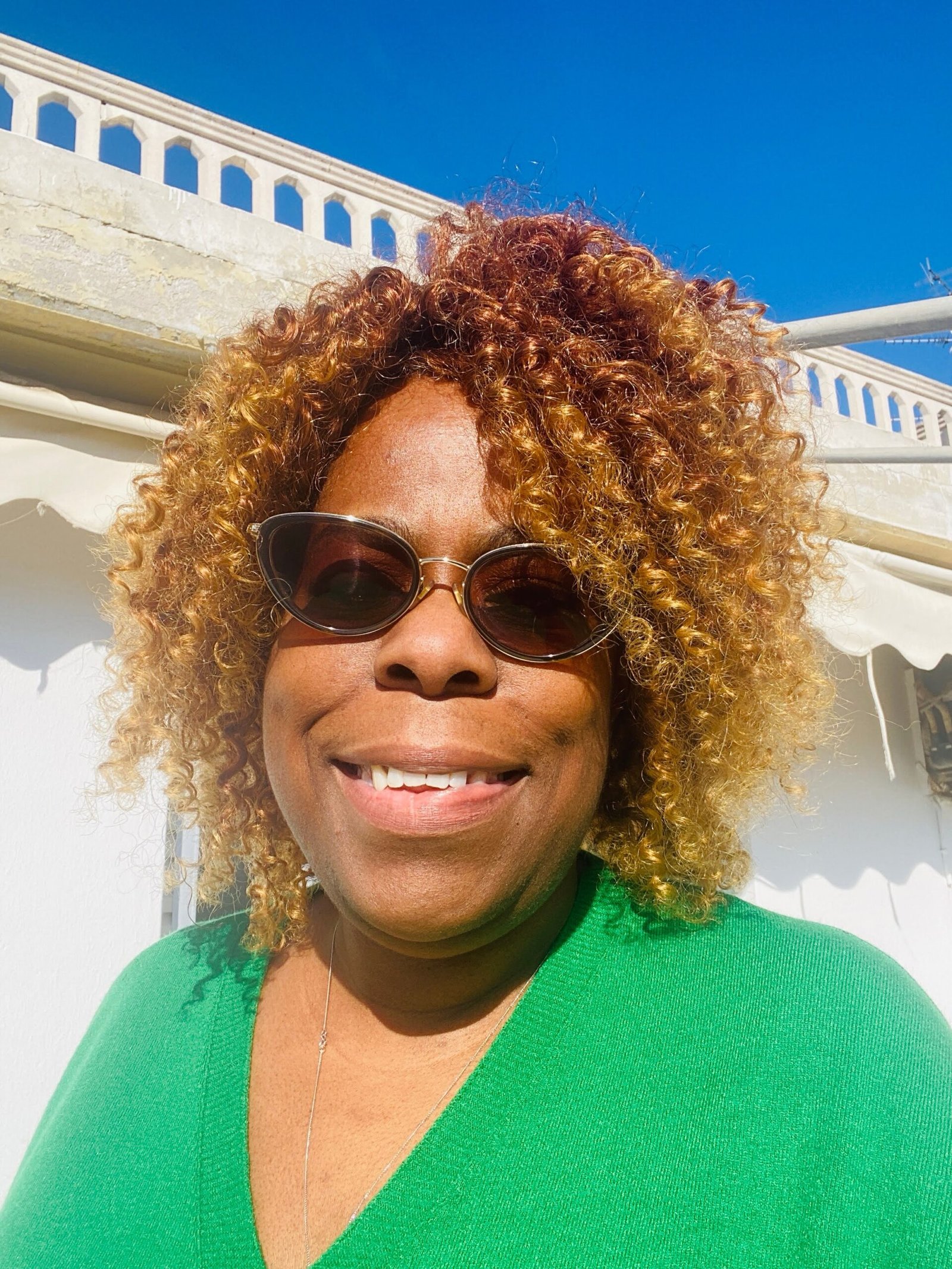
The older I get, the more I’m beginning to understand myself. But does that mean I need an official diagnosis?
I’m 53, and I’ve recently found myself questioning something I never thought I’d be questioning at this stage of my life.
Could I actually be AuDHD?
For anyone unfamiliar with the term, AuDHD describes someone who has both autism and ADHD.
I’m not clinically diagnosed with either. However, the more I learn about neurodivergence, the more familiar certain characteristics become.
And here’s the interesting part. I wasn’t particularly looking for answers about myself.
I was simply doing what I enjoy doing: researching, reading and writing.
Yet somewhere along the way, I started recognising things that had previously gone completely unnoticed.
Now I’m left wondering whether I actually need somebody to officially confirm what I’m beginning to understand myself.
How The Mesij helped me discover something about myself
When I started shifting The Mesij towards neurodiversity, I already knew there was ADHD and autism within my family.
However, I hadn’t really connected those dots with myself.
I knew about neurodivergence, but I hadn’t spent much time examining what it might mean personally.
Then I started researching.
One subject led to another, and suddenly I was discovering information that made me stop and think.
I’d read something about ADHD and recognise a familiar behaviour.
Then I’d research autism and find myself relating to something else entirely.
It was rather like finding pieces of a jigsaw puzzle without realising I’d been holding the picture upside down.
The more I investigated, the more curious I became.
And eventually, I started asking myself whether I might actually be AuDHD.
Then menopause decided to join the conversation
If there’s one thing that really pushed me towards questioning myself, it was perimenopause.
I’ve spent years experiencing hormonal changes, and I’ve noticed how much certain difficulties have become more prominent.
Brain fog, concentration problems, forgetfulness and feeling overwhelmed have all featured.
Of course, menopause doesn’t cause autism or ADHD.
However, hormonal changes can influence cognitive functioning and may make existing ADHD difficulties more noticeable.
For some women, this can be particularly confusing.
You might spend decades developing ways to manage your everyday difficulties. Then hormonal changes arrive and suddenly those familiar coping strategies become less reliable.
It’s enough to make you question whether you’ve completely lost the plot.
Looking back, I wonder how much I’d previously compensated for without even realising.
Perhaps I’d simply accepted certain things as part of my personality.
Perhaps I’d assumed everybody experienced the world in much the same way.
Either way, menopause certainly encouraged me to look a little closer.
The surprising relief of discovering you’re not alone
One thing I hadn’t anticipated was how refreshing this whole discovery would feel.
For years, I’d assumed that certain ways of thinking, behaving and processing information were simply normal.
I didn’t necessarily question them because they were familiar.
Then I started discovering other people describing experiences remarkably similar to mine.
Suddenly, I wasn’t looking at individual quirks and wondering what was wrong with me.
I was beginning to understand that there might be a bigger picture.
There’s something incredibly reassuring about finding people who understand things without requiring an entire PowerPoint presentation explaining yourself.
I’m not suddenly a different person.
I’m still the same woman I’ve always been.
However, I’m beginning to understand myself through a completely different lens.
And that has been surprisingly liberating.
But do I actually need an official diagnosis?
Here’s where my personal opinion might differ from somebody else’s.
At 53, I’m not particularly convinced that pursuing a formal diagnosis is something I desperately need.
I’ve reached this age without one.
I’ve worked, raised children, managed relationships, navigated everyday life and developed my own ways of coping.
Of course, that doesn’t mean everything has been straightforward.
It certainly doesn’t mean I haven’t struggled.
However, I have managed to get this far without an official explanation.
So, what exactly would a diagnosis change?
Would it suddenly improve my everyday life?
Would it provide access to something I genuinely need?
Would medication or professional support make a meaningful difference?
These are genuine questions, and I don’t think there’s anything wrong with asking them.
For somebody else, the answers might be completely different.
A diagnosis could provide access to treatment, workplace adjustments or practical support.
It could also offer valuable clarity after decades of uncertainty.
But I don’t believe everybody should automatically feel obliged to pursue an assessment.
Sometimes, the decision deserves a little more thought.
Interestingly, there is no upper age limit on receiving an autism diagnosis. Autism Central discusses why some adults choose to pursue an assessment, even much later in life.
Does not having a diagnosis make me a fraud?
Now here’s a question that I suspect plenty of people quietly ask themselves.
If you believe you’re neurodivergent but haven’t received an official diagnosis, are you somehow pretending?
Are you allowed to describe yourself as neurodivergent?
Or should you keep quiet until somebody with the appropriate qualifications confirms it?
I find this particular conversation interesting, especially when social media enters the equation.
There’s an increasing amount of criticism directed towards people who self-identify as having ADHD or autism.
Apparently, too many people are claiming to be neurodivergent without proper confirmation.
But how does somebody scrolling through social media actually know what’s happening inside another person’s head?
They don’t.
They aren’t conducting an assessment, examining someone’s history or understanding their individual experiences.
They’re making assumptions based on something somebody has chosen to share.
Of course, there’s an important distinction between suspecting you’re neurodivergent and receiving a clinical diagnosis.
I wouldn’t introduce myself as clinically diagnosed AuDHD because that isn’t my situation.
However, I can absolutely say that I suspect I may be AuDHD.
I can talk about the characteristics I’ve recognised and the experiences that have prompted my curiosity.
I can also explore neurodivergent communities and learn from people with similar experiences.
Self-identification isn’t a substitute for professional assessment, particularly when treatment or formal support is involved.
But does that mean somebody should feel fraudulent for exploring their own neurodivergence?
I don’t think so.
Nobody else lives inside your body.
Nobody else experiences your thoughts, your sensory responses or the way you process everyday situations.
And nobody on social media gets to decide whether your personal experiences deserve investigation.
Who actually benefits from getting diagnosed?
I think this is where we need to acknowledge that everyone’s circumstances are different.
Some people desperately want an assessment because they need answers.
Others want access to medication or professional support.
Some want workplace adjustments, educational assistance or formal recognition.
And then there are people who simply want confirmation after years of questioning themselves.
All those reasons are perfectly understandable.
However, there are also people who aren’t particularly interested in pursuing a diagnosis.
Perhaps they’ve reached a stage where understanding themselves is enough.
Perhaps the financial cost or waiting times make an assessment impractical.
Or perhaps they simply don’t believe an official label would materially change their circumstances.
That doesn’t make their experiences less important.
Equally, being over 50 doesn’t mean you’ve missed your opportunity to seek help.
You can pursue an assessment at any age, and support can still make a meaningful difference.
The important thing is understanding what you actually need.
Not what social media thinks you should need.
I’m beginning to give myself permission to be myself
There’s another part of this journey that I’m only beginning to explore.
For years, I’ve adapted myself to different situations without necessarily understanding why.
I’ve questioned my reactions, adjusted my behaviour and tried to navigate situations in ways that felt acceptable.
Now, as I’m learning more about neurodivergence, I’m beginning to question how much of that was masking.
I’m not going to unpack that entire subject here because it deserves an article of its own.
However, discovering that other people experience similar things has been incredibly reassuring.
Perhaps I’m finally giving myself permission to stop scrutinising every little thing about myself.
Perhaps I’m beginning to understand that I don’t have to apologise for being the person I am.
And perhaps that’s one of the most valuable things I’ve taken from this journey so far.
So, where does that leave me?
Honestly, I’m still figuring it out.
I suspect I’m AuDHD, and the more I learn, the more certain things begin to make sense.
However, I’m not currently convinced that I need an official diagnosis.
That might change, of course. Perhaps I’ll eventually decide an assessment is worthwhile. Perhaps I’ll discover that professional support could make certain aspects of life easier.
But for now, I’m quite happy learning, researching and joining the dots.
What’s surprised me most isn’t necessarily the possibility that I’m neurodivergent.
It’s the relief of discovering that I’m not alone in experiencing certain things.
For years, I simply assumed everybody’s brain worked much like mine. Apparently, that might not be quite the case!
And perhaps that’s the beauty of discovering something about yourself later in life.
You haven’t suddenly become somebody different. You’re simply beginning to understand the person you’ve been all along.
I’m also beginning to give myself permission to be a little less concerned about fitting into everybody else’s expectations.
I don’t have all the answers, and I certainly haven’t made any grand decisions about diagnosis.
But I’m enjoying this process of discovery. For once, I’m not particularly interested in rushing towards a conclusion.
Perhaps I’ll seek an assessment one day. Perhaps I won’t.
Either way, I don’t feel that I need an official piece of paper before I can continue learning about myself.
And that’s really the point.
A diagnosis can be incredibly valuable, but the decision to pursue one is personal. What matters is understanding your own circumstances and what might genuinely help you.
At 53, I’m still discovering things about myself. Who knew there was so much left to uncover?
I’d love to hear from others who have found themselves asking similar questions.
Have you discovered possible neurodivergent characteristics later in life? Did you pursue a formal diagnosis, or are you still deciding whether it’s something you need?
And most importantly, has understanding yourself changed how you feel about the person you’ve always been?
Sometimes, recognising neurodivergence later in life starts with looking back at the generations before us Autism Didn’t Exist In My Day